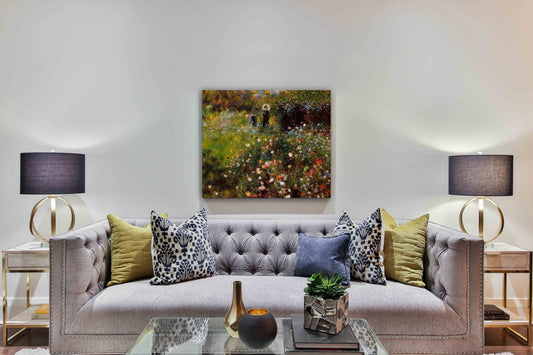
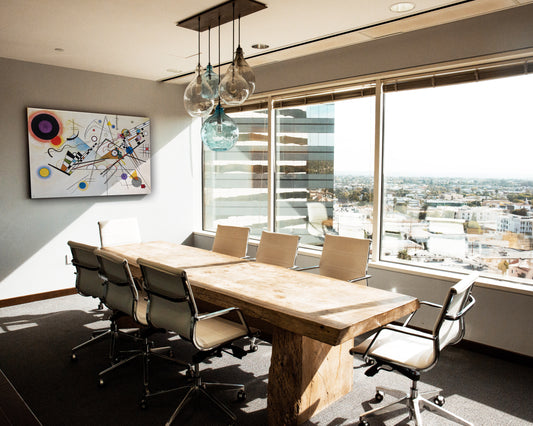
Collection: Thyssen-Bornemisza Museum; Madrid
 Housed in the elegant Villahermosa Palace along Madrid’s renowned “Golden Triangle of Art,” the Thyssen‑Bornemisza National Museum is one of Spain’s most important art institutions. Located beside the Museo del Prado and the Museo Nacional Centro de Arte Reina Sofía, it forms part of a cultural district that offers an exceptional overview of Western art. The museum’s remarkable collection traces the evolution of European painting from the Middle Ages to the late 20th century, bridging historical gaps between Spain’s two neighboring museums.
From Private Collection to Public Treasure
The origins of the museum lie in one of the most significant private art collections of the 20th century. It was first assembled in the 1920s by the German industrialist Heinrich Thyssen‑Bornemisza, who acquired numerous Old Master paintings during a time when many European works were entering the international art market. After his death in 1947, the collection was inherited and significantly expanded by his son, Hans Heinrich Thyssen‑Bornemisza.
Over several decades, the younger Baron reunited works previously dispersed among family members while acquiring additional masterpieces from a wide range of artistic periods. Initially displayed in the family’s Villa Favorita in Lugano, Switzerland, the steadily growing collection eventually became one of the most comprehensive private holdings of European painting in existence.
The Collection Arrives in Madrid
In the late 1980s, negotiations between the Thyssen family and the Spanish government led to an agreement to relocate the collection to Spain. Influenced in part by the Baron’s wife, Carmen Cervera, the works were installed in the restored Villahermosa Palace in central Madrid.
The museum opened to the public in 1992 with hundreds of paintings on display. One year later, the Spanish state purchased the core of the collection, securing its permanent presence in Madrid and transforming what had once been a private family collection into a national museum.
Expanding the Museum
The museum continued to grow in the following years through the addition of works from the Carmen Thyssen collection, assembled by Baroness Cervera. This group of paintings—particularly strong in 19th-century landscapes and European art—has been periodically exhibited in the museum, further enriching the institution’s already diverse holdings.
A Bridge Across the History of Art
What distinguishes the Thyssen-Bornemisza Museum is the chronological breadth of its collection. While the Prado is celebrated for its Spanish Old Masters and the Reina Sofía focuses on modern and contemporary art, the Thyssen provides an essential link between them.
Its galleries present a sweeping narrative of Western painting, ranging from medieval devotional panels and Renaissance masterpieces to Impressionist landscapes and works from the avant-garde movements of the 20th century. By connecting centuries of artistic production, the museum offers one of the most complete visual histories of European painting anywhere in the world.
-
Summer Landscape
Regular price From $276.00 USDRegular price -
Swaying Dancer
Regular price From $316.00 USDRegular price -
Throughgoing Line
Regular price From $316.00 USDRegular price