Collection: Kröller-Müller; Netherlands
 Located in the heart of De Hoge Veluwe National Park in the Netherlands, the Kröller-Müller Museum offers a unique synthesis of art, architecture, and nature. The museum is world-renowned for its collection of 19th- and 20th-century art, featuring as its centerpiece the world’s second-largest collection of works by Vincent van Gogh and one of the largest sculpture gardens in Europe.
A Collector’s Dream in a National Park
The museum is the realization of the vision of Helene Kröller-Müller (1869-1939), one of the most significant private collectors of the early 20th century. In 1909, she and her husband, Anton Kröller, acquired the vast estate that now forms the national park. While he intended it as a hunting reserve, Helene dreamt of creating a “museum-home” for her immense collection of nearly 11,500 art objects. After the original museum project was interrupted by World War I and economic crisis, the couple reached an agreement to cede their collection and property to the Dutch state. The Rijksmuseum Kröller-Müller finally opened in 1938, with Helene serving as its first director.
The Van Gogh Collection
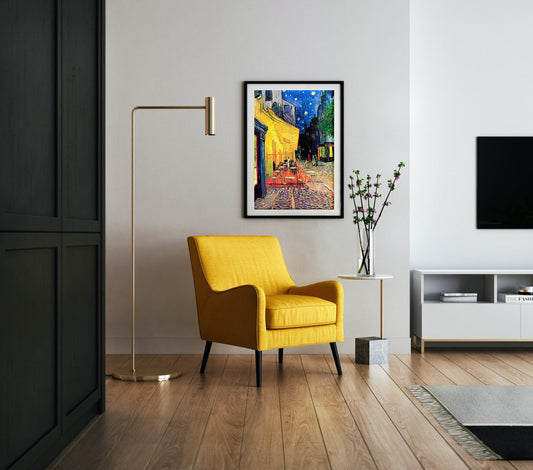
The heart of the museum is its unparalleled collection of works by Vincent van Gogh. Helene Kröller-Müller was one of the first collectors to recognize the artist’s genius, and she amassed a considerable number of his paintings and drawings. Today, the museum holds the second-largest Van Gogh collection in the world, surpassed only by the Van Gogh Museum in Amsterdam. It features many of his masterpieces, including The Potato Eaters, Café Terrace at Night, and Sorrowing Old Man (At Eternity’s Gate).
The Sculpture Garden: Art in Nature
Fulfilling Helene Kröller-Müller’s vision of a symbiosis between art and the surrounding landscape, the museum added a sculpture garden in 1961. Spanning over 75 acres, it has grown to become one of the largest in Europe. The garden allows visitors to experience monumental works by modern masters such as Auguste Rodin, Henry Moore, Jean Dubuffet, and Richard Serra in a serene, natural setting, fully integrating the art with its environment.
Architectural Growth
The original museum building was designed by Henry van de Velde. Following its opening, the museum continued to expand to accommodate its growing collections. A new exhibition wing, designed by Wim Quist, was added in the 1970s, and various pavilions by renowned architects like Gerrit Rietveld and Aldo van Eyck have been incorporated into the complex, further blending modern architecture with the natural parkland.
-
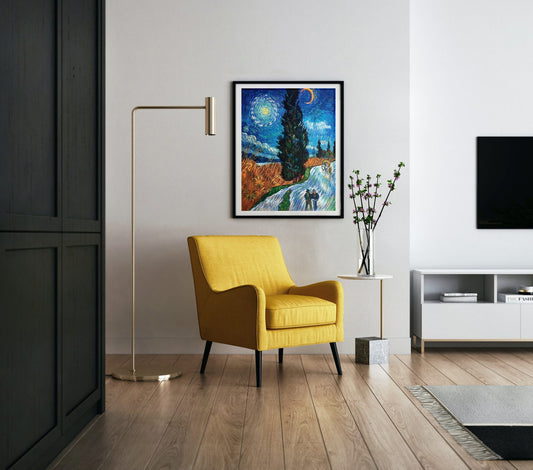
Country Road in Provence by Night (Road with Cypress and Star)
Regular price From $276.00 USDRegular price -
The Cafe Terrace on the Place Du Forum, Arles, at Night
Regular price From $276.00 USDRegular price